
Conversations on the History
and Impact of Time Measurement
December 3–4 — The Morgan Library & Museum — New York City
Overview
The Horological Society of New York announces Chronometry Talks, a new annual symposium dedicated to exploring the history, science, craft, and future of timekeeping. Taking place December 3-4, 2026, at The Morgan Library & Museum in New York City, the two-day event will bring together eight distinguished speakers to examine the evolution in precision timekeeping that transformed navigation, enabled new scientific discoveries, and helped shape the modern world.
Chronometry Talks will explore the influence of timekeeping on scientific progress, technological innovation, and society. Topics will range from the invention of the pendulum clock and the race to solve the longitude problem to the golden age of American watchmaking, the evolution of industrial watchmaking alongside centuries-old traditions of independent craftsmanship, and the science behind modern time standards.
Designed for watch enthusiasts, collectors, historians, and curious minds alike, the Chronometry Talks is HSNY’s newest annual lecture series that will bring together leading voices across disciplines to examine one of humanity’s oldest and most consequential pursuits: understanding and measuring time.
Speakers
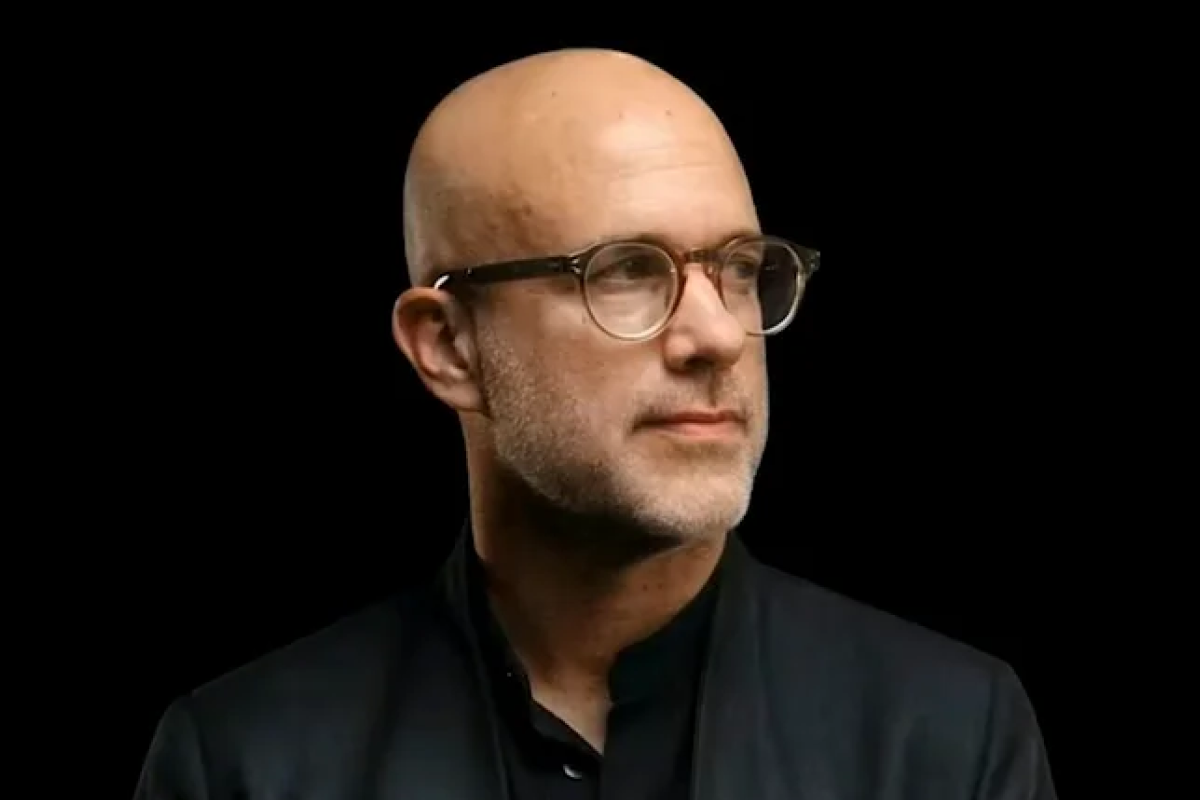
Michael Friedman
Huygens, Harrison and the Interdisciplinary Origins of Modern Chronometry
Thursday, December 3rd, 2026, 10am
Historian, designer and founder of Pattern Recognition, a horological brand combining science, history and craft, Michael Friedman previously served as Historian and Head of Complications at Audemars Piguet and Head of Watches at Christie's New York. He will explore the groundbreaking contributions of Christiaan Huygens and John Harrison to modern precision timekeeping. From Huygens' invention of the pendulum clock and its role in establishing horology as a scientific discipline to Harrison’s development of the H4 marine timekeeper and his solution to the longitude problem, the lecture examines how two extraordinary innovators transformed navigation, science and our understanding of time.
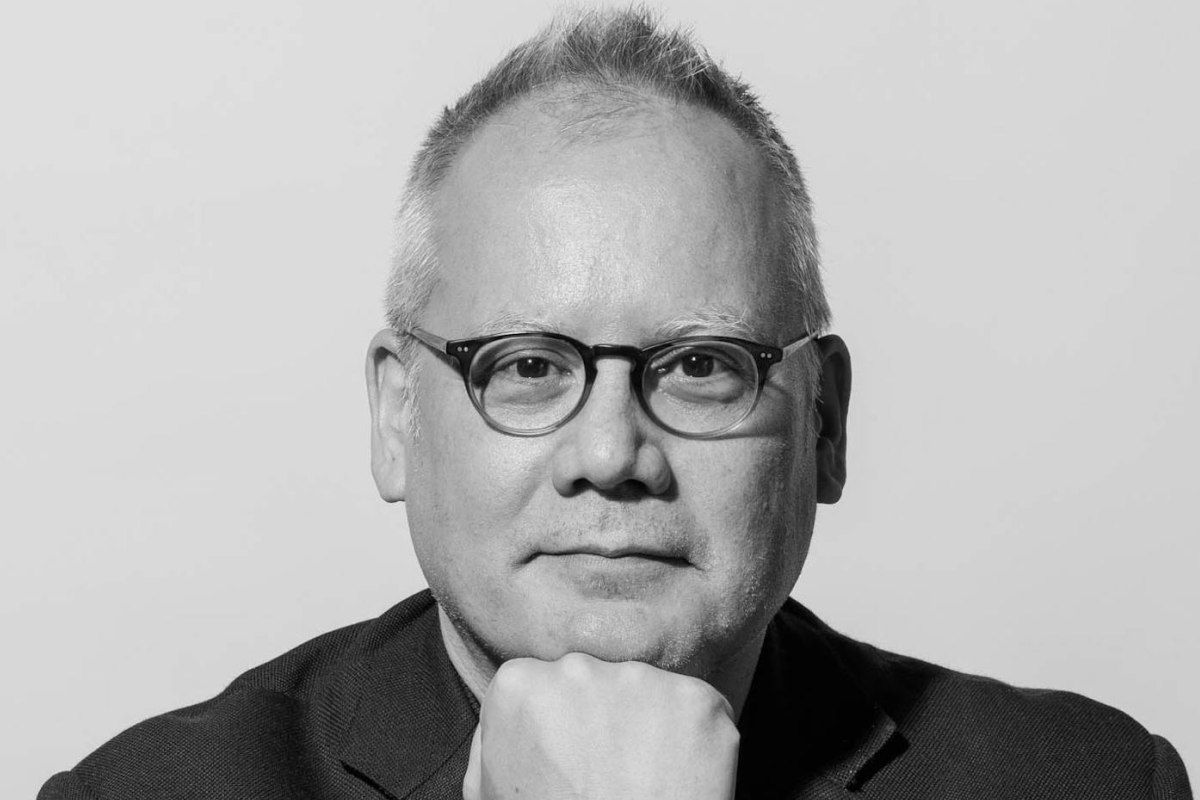
Jack Forster
Precision: Before and after Breguet
Thursday, December 3rd, 2026, 11:30 am
Jack Forster, Global Editorial Director for The 1916 Company, is a longtime horological writer and historian whose work spans the history of watchmaking and the evolution of precision timekeeping. The author of thousands of articles and several books, he will examine the transformative period surrounding Abraham-Louis Breguet, when the pursuit of mechanical ingenuity and practical precision reshaped portable timekeeping. The lecture will explore how Breguet's innovations, alongside advances in marine chronometry, helped redefine the role of mechanical watches and influence watchmaking for centuries to come.
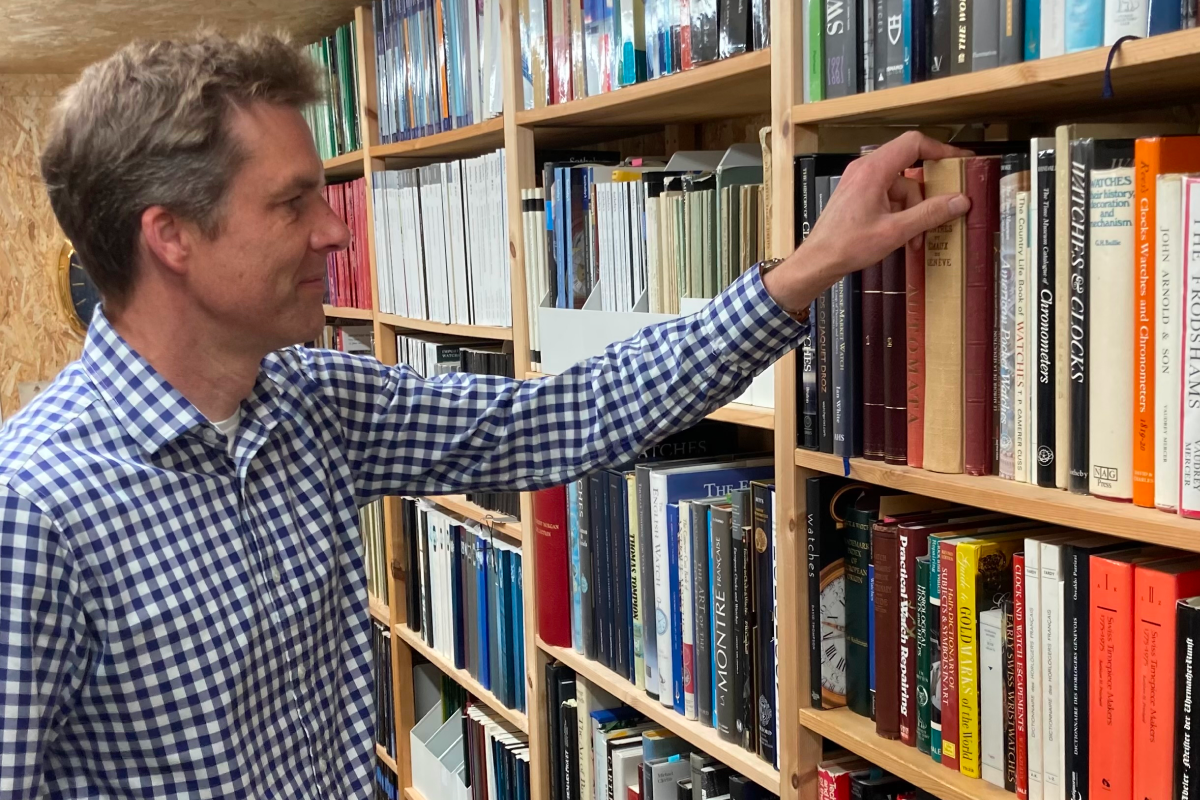
Alexander Barter
Rivals or Collaborators? Competition and Exchange in the Age of the Marine Chronometer
Thursday, December 3rd, 2026, 2:00 pm
Alexander Barter, Director of Old Masters at A Collected Man, author of two books on watches and former Deputy Worldwide Head of Sotheby’s watch department, brings 30 years of experience researching and advising on historic timepieces. He will revisit the development of the marine chronometer through the lens of international competition and collaboration. Drawing on historical documents and surviving timepieces, the lecture explores how rivalries, shared discoveries and the exchange of techniques among leading European watchmakers helped advance precision timekeeping.
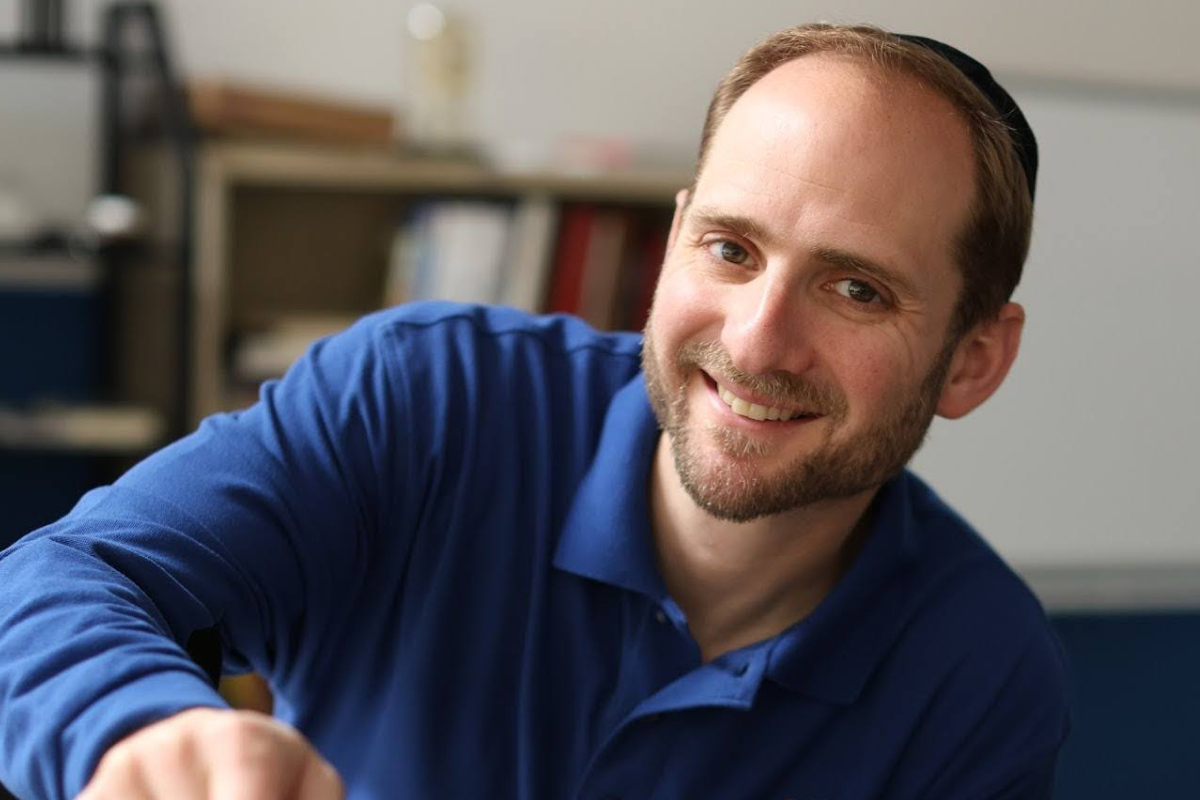
Josh Shapiro
The Golden Age of Precision American Watches
Thursday, December 3rd, 2026, 3:30 pm
Joshua Shapiro, founder of independent American watchmaking brand J.N. Shapiro, holds a master’s degree in U.S. history and is working to revive domestic watchmaking through vertically integrated production. He will examine the rise of American watchmaking in the 1870s, when advances in mass production, interchangeable components and precision manufacturing enabled American watchmakers to challenge traditional Swiss and English methods and establish new standards for affordable, accurate timepieces.
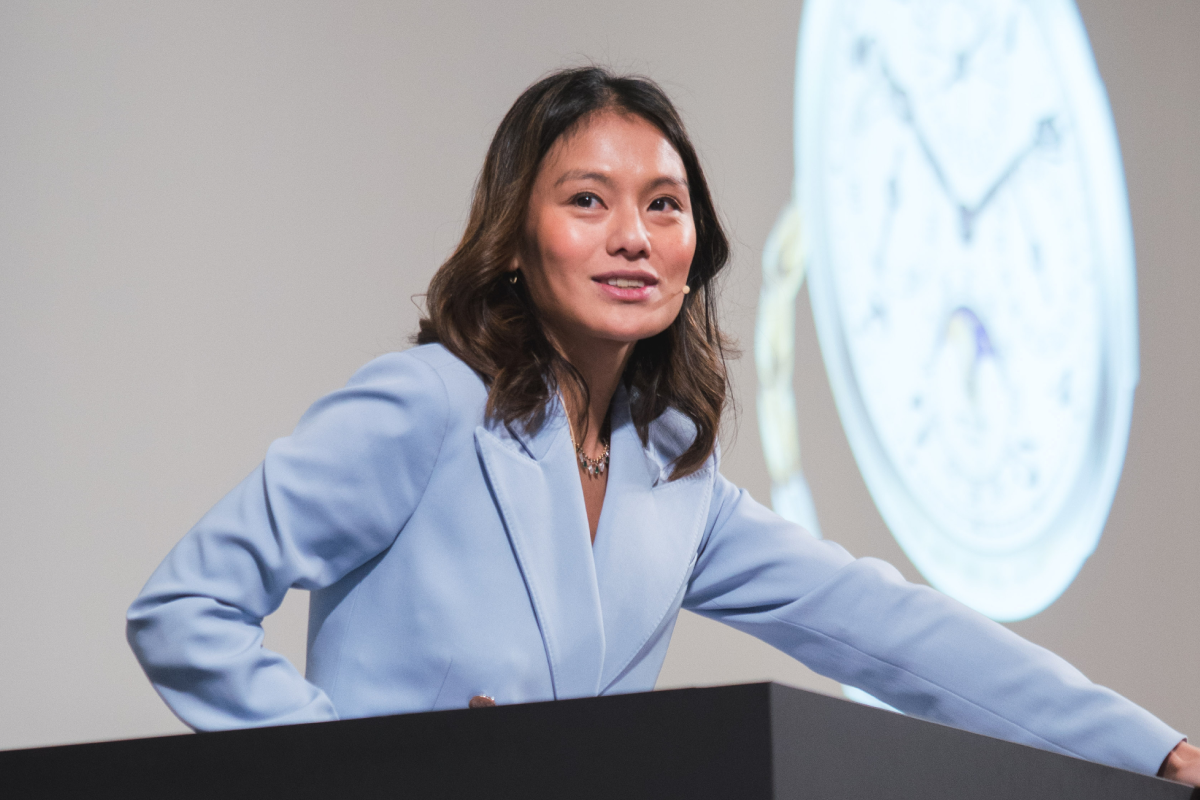
Tiffany To
George Daniels: The Making of Independence
Friday, December 4th, 2026, 10:00 am
Tiffany To, Senior International Watch Specialist and Head of Sale, Watches Geneva at Phillips in Association with Bacs & Russo, has more than a decade of experience specializing in vintage and independent watchmaking. A licensed auctioneer and co-author of Rolex Cosmograph Daytona, she is currently curating GEORGE DANIELS 100: The Genesis of Artisanal Watchmaking, an exhibition celebrating the centenary of the watchmaker's birth. Her lecture will examine the legacy of George Daniels and what it means to be an independent artisanal watchmaker in the post-quartz era, exploring his influence on contemporary independent watchmaking.
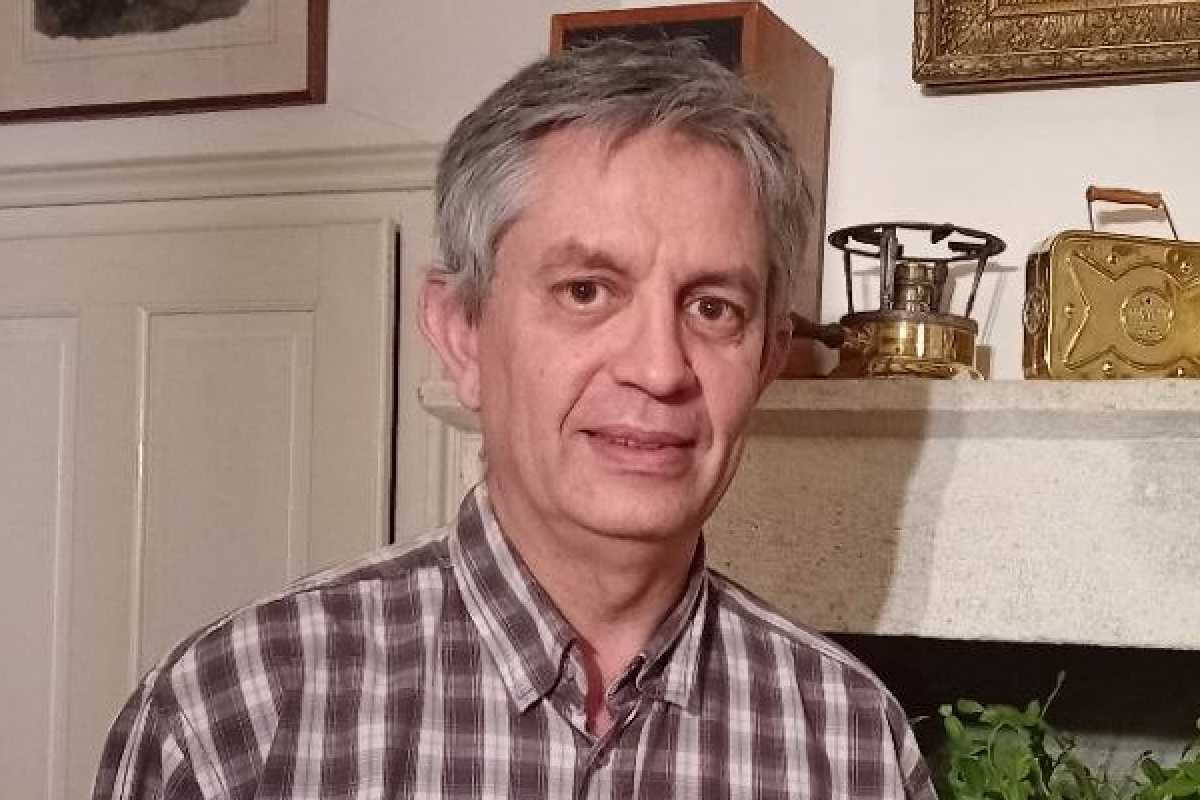
Christian Bizouard
The Earth Rotation Time from sundials to extragalactic radio-sources and the genesis of modern UTC
Friday, December 4th, 2026, 2:00 pm
Christian Bizouard, astronomer at the Paris Observatory and Director of the Terrestrial Orientation Centre at the International Earth Rotation and Reference Systems Service, has published extensively on changes in Earth’s rotation and helps maintain the reference measurements essential to satellite navigation and global time standards. He will trace the evolution of time measurement from sundials and solar observations to the establishment of Greenwich Mean Time, atomic clocks and Coordinated Universal Time (UTC). The lecture will explore how modern scientific techniques, including very long baseline interferometry and observations of distant radio sources, allow scientists to monitor variations in Earth’s rotation and maintain global time standards.
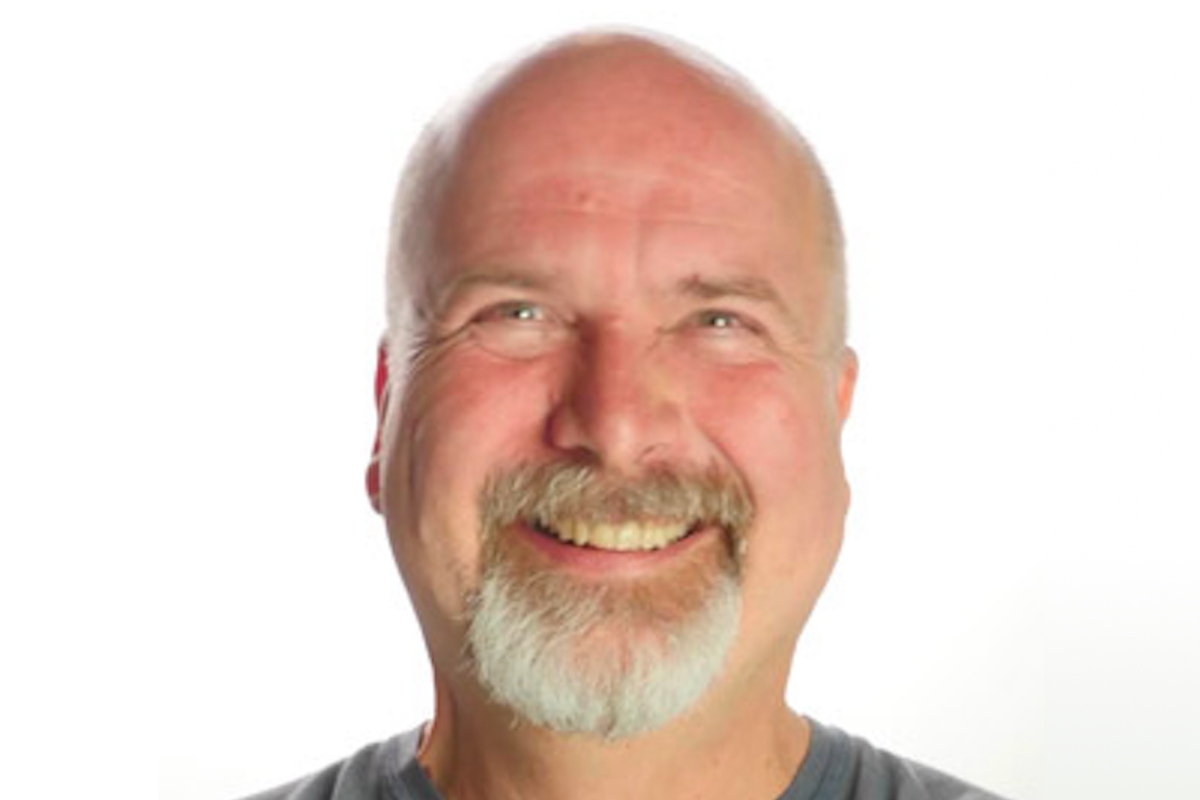
Danny Hills
The 10,000-year Clock of the Long Now
Friday, December 4th, 2026, 3:30 pm
Danny Hillis is an inventor, entrepreneur and scientist who pioneered the development of parallel computing to advance artificial intelligence. He is co-founder of Applied Invention, an interdisciplinary group of engineers and scientists developing technological solutions across industries. Hillis is also the designer of the 10,000-Year Clock of the Long Now, a project conceived to encourage long-term thinking across generations. His lecture will introduce the clock's concept and design, exploring how an instrument built to measure time over ten millennia can offer a different perspective on humanity's relationship with time and the future.
Conversations on the History
and Impact of Time Measurement
December 3–4 — The Morgan Library & Museum — New York City